
Sandstone Cleaning in Bramhall Without Damage
Learn why Bramhall sandstone needs low-pressure hot steam cleaning and how a careful approach protects delicate surfaces, older mortar joints and period character.
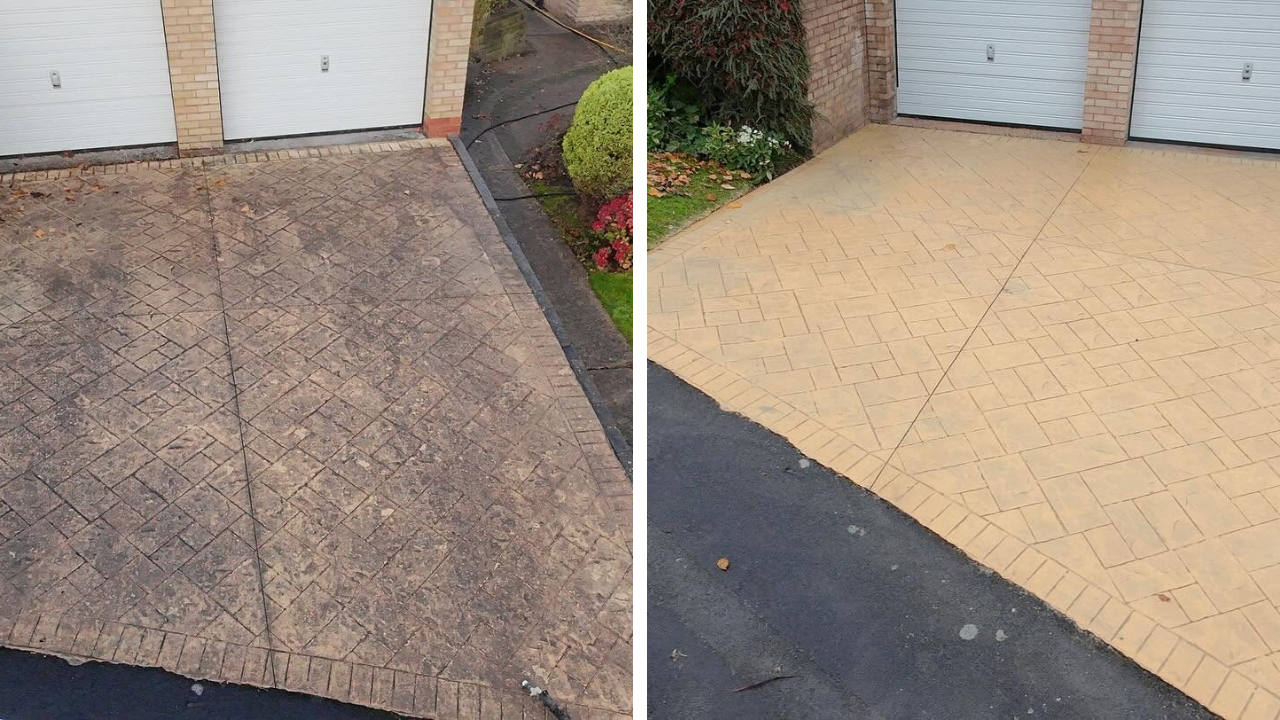
Sandstone gives many Bramhall properties their warm, distinctive character, but it needs careful cleaning. Our non-abrasive approach uses low-pressure hot steam to lift staining and organic growth without damaging delicate stone or vulnerable mortar joints.
Why sandstone needs a gentle cleaning method
Sandstone is a naturally porous material made from compacted grains. Its strength and condition can vary across the same wall, particularly on older homes where decades of Manchester weather have affected exposed elevations.
Green growth, algae, traffic film and general grime can settle within the surface texture. North-facing walls, shaded sections and stone close to overflowing gutters are often affected first. If an unsuitable high-force or abrasive method is used, the softer surface can be worn away, leaving an uneven finish and exposing fresh material to further weathering.
Possible signs that a sandstone elevation needs professional attention include:
- Green or dark organic staining across shaded areas
- Black atmospheric marks near roads, chimneys or window details
- Patchy discolouration beneath gutters and downpipes
- Loose, sandy or visibly weathered surface areas
- Cracked, recessed or crumbling mortar joints
These issues should be assessed together. Cleaning the stone without considering the joints can disturb weak mortar and allow more rainwater into the wall.
How low-pressure hot steam cleans sandstone
At ProClean Manchester, we use specialist low-pressure hot steam for sandstone, brick and other masonry. The heat helps to loosen surface contamination, while the controlled flow avoids the aggressive force associated with unsuitable cleaning equipment.
The process begins with an inspection of the stone, mortar and surrounding details. We look for cracks, previous repairs, open joints, flaking areas and differences in stone hardness. A discreet test area may then be completed so that the temperature, flow and working distance can be adjusted to suit the elevation.
During cleaning, the steam gradually lifts dirt and weakens organic growth. Some natural weathering marks may remain, especially where staining has penetrated deeply or the stone itself has changed colour. The aim is a cleaner, more even appearance without removing the character of the masonry.
Practical tip: Sandstone should not be expected to look newly cut after cleaning. A careful clean retains natural colour variation, age and texture rather than forcing an unnaturally uniform finish.
You can read more about our brick and stone cleaning service, including the types of masonry we treat across Greater Manchester.
Protecting old and crumbling mortar joints
Mortar is often softer than the surrounding sandstone, particularly on period homes built with traditional lime-based materials. That softness is intentional: lime mortar allows a solid wall to manage moisture and movement. However, age, frost and previous repairs can leave joints recessed or fragile.
To reduce the risk of disturbing them, we use:
- Low, carefully controlled steam flow
- An appropriate working distance from the wall
- Extra care around open joints, corners and decorative details
- Small test sections before treating wider elevations
- No harsh mechanical or abrasive cleaning action
If joints are already failing, repointing may be needed before or after cleaning. The correct order depends on the condition of the wall. Cleaning first can reveal hidden defects, while severely open joints may need attention before water-based work begins. We will explain what we find rather than treating every property in the same way.
Listed buildings and properties within conservation settings can also have additional requirements. Low-pressure hot steam is well suited to sensitive masonry, but owners should check whether consent is needed before cleaning or repair work. More information about local coverage is available on our Bramhall service area page.
Why summer is a useful time for sandstone cleaning
Summer often provides better conditions for inspecting and cleaning exterior stone in Bramhall. Longer daylight hours make staining and mortar defects easier to identify, while generally milder conditions support steady drying after the work.
That does not mean sandstone should be cleaned during extreme heat. Very warm surfaces can dry unevenly, so timing and working conditions still matter. We plan the job around the elevation, shade, forecast and condition of the masonry.
Simple maintenance after cleaning
Once the stone has been cleaned, dealing with the source of repeated moisture can help it stay presentable for longer. Useful checks include:
- Make sure gutters and downpipes are not leaking onto the wall.
- Trim dense planting that holds moisture against the masonry.
- Monitor older mortar joints for cracks or further recession.
- Avoid applying an unsuitable coating that could trap moisture.
- Arrange an assessment when staining returns rather than using harsh DIY methods.
Every sandstone property is different, so prices depend on the property, access, condition and area being treated. Quotes are provided on request following a practical assessment.
For careful sandstone cleaning in Bramhall, explore our brick and stone cleaning service or request a quote from Brad.